You Inherited a Coin Collection: What to Do First
The best first moves with an inherited collection are mostly about doing less.
October 13, 2026 · 4 min read
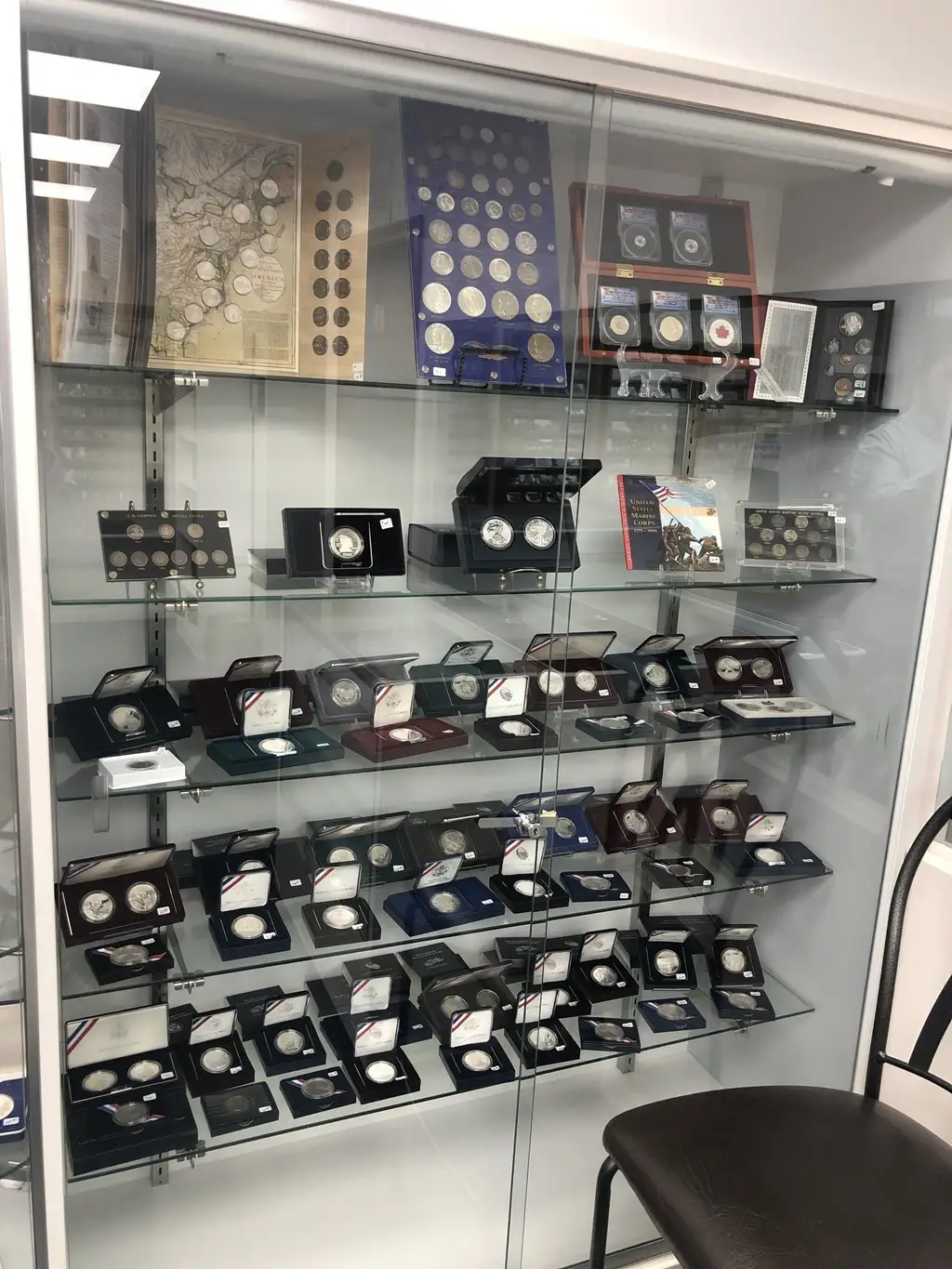
Someone left you a coin collection, and now there is a shoebox, a cigar tin or a stack of albums on your table. You may not be able to tell a good coin from an ordinary one, and that is completely normal. Most people who inherit coins start in exactly that spot. The good news is that the smartest early moves are quiet ones. A few careful habits in the first weeks protect value you can't see yet, and they keep you from making a choice you can't take back.
Slow down before you sort or sell
Grief and a crowded table make people want to clear things up fast. Hold off. A heap of dull brown pennies can hide a few pieces that matter, and a flashy-looking set can turn out to be mostly common material. You can't tell from the surface, and neither can most friends or relatives who offer to take a look. Give yourself a few weeks. Nobody is going to demand an answer, and an unhurried look is your best protection against a rushed sale.
Be choosy about who hears the news, too. Telling every neighbor and cousin invites advice from people who are guessing. Decide first who you actually trust to help.
Do not clean a single coin
This is the rule that matters most, and it runs against instinct. Dark or tarnished coins look dirty, and a little polish or a dip in something from under the sink feels like a kindness. It is not. Cleaning leaves fine scratches and strips away the natural surface that collectors look for. A coin that has been wiped, brushed or dipped is usually described as cleaned, and that word follows it for good. Even a rub with a soft cloth can leave hairlines that show under a lamp.
The same goes for everything in the box. No baking soda, no vinegar, no pencil erasers, no jewelry cloths. If a coin is stuck to cardboard or taped into a holder, leave it that way and point it out when you bring the collection in. Dirt can be explained to a buyer. Damage can't be undone.
Handle coins by the edges and keep them dry
Skin oils and moisture are hard on metal. Pick a coin up by its rim, between thumb and forefinger, and do it over a soft towel so a slip doesn't turn into a dent on a hard floor. Don't rub the surface with your thumb to read the date. Clean cotton or nitrile gloves help if you have them. Think about where the collection lives while you decide what to do:
- Keep it somewhere dry, steady in temperature and out of direct sun, so not a damp basement or a hot attic.
- Leave coins in the holders, albums or rolls they came in until someone knowledgeable has seen them.
- Avoid rubber bands, paper clips and tape, and anything else that presses on the metal.
- Keep separate groups separate, because the way the original owner organized things can be a clue.
- If a soft plastic flip has gone sticky or green, mention it to your appraiser instead of peeling it away yourself.
Write things down instead of rearranging them
If you want to be useful, do it on paper. Photograph the albums and boxes as you found them. Make a plain list of what you see: rolls, albums, sets in original packaging, paper money, jewelry, bars, anything sealed in a plastic holder with a label. Keep any receipts, price tags or handwritten notes. Those scraps can tell a dealer where and when something was bought, and sometimes they explain why one coin was set aside.
Ask the family what they remember, too. Did your relative buy at shows, inherit a jar from their own parents, or pull coins from pocket change for decades? A careful collector and a person who tossed spare change in a jar leave very different boxes, and knowing which you have sets your expectations before you ask anyone for an opinion.
Get an honest second opinion before you pick a buyer
Value comes from condition, scarcity and how many people want a particular piece, and those are hard to judge from a photo or an online listing. Be careful with an offer from someone who has never held the coins, and with any buyer in a hurry to close the same day. Look for a person who will go through each group, explain what they see, and tell you why some pieces are ordinary and others deserve a closer look.
You are allowed to listen and then go home. Hearing an opinion doesn't obligate you to sell. Plenty of families keep a few sentimental pieces and sell the rest, and that is a sensible way to settle things.
Bring it in for a free look
If you are in or near Lawrence, Kansas Coin Connection offers free informal appraisals on coins, paper money, gold and silver at 846 Illinois Street, Suite C. The shop is a PCGS Authorized Dealer, and its own pages describe over 40 years of experience as a coin dealer and 50 as a coin collector. Walk in Tuesday through Thursday from 10 AM to 5 PM, or call (913) 426-2567 to set up an appointment for Monday, Friday or Saturday. The shop is closed Sunday.
Bring the collection the way you found it, uncleaned and in whatever holders it came in, along with any notes. A conversation across the counter is often all it takes to turn a box of unknowns into a plain list of what you have.
Kansas Coin Connection, (913) 426-2567
Call (913) 426-2567More articles
Wheat Pennies, Buffalo Nickels and Silver Dollars: Common or Worth a Closer Look
Old pocket change is easy to find and hard to judge, so here is how to start sorting it sensibly.
Old Paper Money in a Drawer: How to Keep It Flat, Dry and Safe
Paper money is fragile, and most of the damage happens in the first few years of a bad hiding place.