Old Paper Money in a Drawer: How to Keep It Flat, Dry and Safe
Paper money is fragile, and most of the damage happens in the first few years of a bad hiding place.
October 13, 2026 · 4 min read
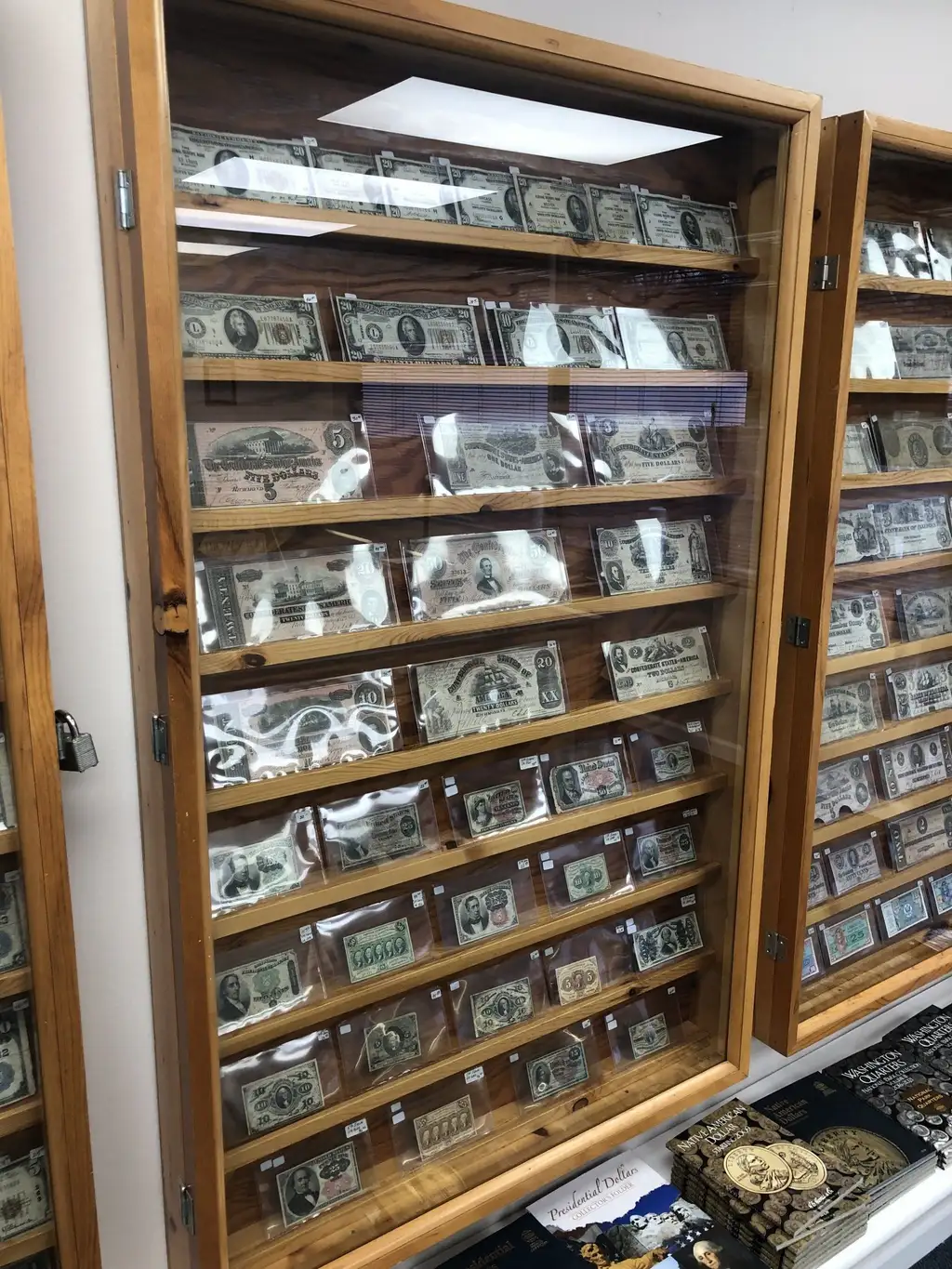
Old bills end up in all sorts of places: a Bible, a dresser drawer, an envelope behind a picture frame, a folder of papers nobody has opened in decades. Paper money is far more fragile than metal, and the way it has been kept often matters as much as what it is. The steps below won't take long, and they can keep a note in the condition it's in now instead of letting it slowly get worse.
Do not fold, iron, press or flatten it yourself
A note that has been folded for years will have creases, and the instinct is to smooth them out. Resist it. Pressing under heavy books, ironing or steaming can crack the fibers and leave marks that are worse than the creases. Collectors look for notes that haven't been fussed with, and a note that has been pressed can look wrong even to a casual eye.
If a note is folded, leave it folded until it can be handled gently and with support underneath. Old paper can be brittle at the folds, and the first unfolding is the riskiest one. Let it rest in a safe holder and ask someone experienced to open it if you're unsure.
The kinds of notes that turn up
Most finds fall into a few groups. There are United States notes of various designs, including older large-format bills and small notes with different colored seals. There are foreign notes brought home by travelers and service members, some from countries that have since changed their currency. And now and then there are Confederate notes, which the shop's own pages say it carries alongside foreign paper money.
Be aware that reproductions and novelty notes exist, especially for Confederate and other historical issues, and some are made to look old. That's one more reason not to decide what a note is on your own. Keep it safe, keep it as found, and let someone examine the paper, the printing and the signatures.
Keep it away from the wrong materials
Many everyday items are bad for paper. Tape leaves stains that can't be removed. Rubber bands bite into the edges. Paper clips rust and press ridges into the surface. Ordinary envelopes and cardboard can be acidic and slowly discolor what they hold. Even some old soft plastic sleeves give off chemicals that damage paper over time. Look instead for these:
- Sleeves or holders made of inert polyester film, sold for archival storage of paper.
- Acid-free folders or boxes for keeping several sleeved notes together.
- A rigid support, such as a clean piece of acid-free board, when a note needs to travel.
- Clean, dry hands, or cotton gloves, whenever you pick a note up.
Light, damp and pests are the quiet enemies
Sunlight fades ink and yellows paper. A note framed on a sunny wall will look worse every year, even behind glass. Damp invites mold and the brown spotting collectors call foxing, and a basement or an unconditioned garage is the worst place for a paper collection. Bugs and mice enjoy old paper, too. A closet shelf or an interior drawer in a room with steady temperature is a far safer home than a box in the garage.
If you spot mold, a musty smell or insects, keep the affected items apart from the rest so the problem doesn't spread, and ask for advice before attempting any treatment of your own.
Write nothing on it and keep your own record
Resist the urge to label a note with a pencil, or to jot a date on the back. Marks on paper money are permanent in the eyes of collectors. Keep a separate list instead, with a number for each sleeve, a short description and any story the family remembers about where it came from. A phone photograph of the front and back takes half a minute and gives you something to refer to if the originals are put away.
Bring paper money in for a look
Kansas Coin Connection buys and sells paper money in different styles and sizes, including foreign and Confederate notes, and offers free informal appraisals. The shop's wall of currency cases is a good picture of what careful storage looks like. You'll find it at 846 Illinois Street, Suite C in Lawrence, open Tuesday through Thursday from 10 AM to 5 PM. Monday, Friday and Saturday visits are by appointment, so call (913) 426-2567 first.
Bring the notes in their sleeves or envelope as you found them, and tell the person at the counter anything you know about where they came from. That story is part of the note, and it's easier to share it in person.
Kansas Coin Connection, (913) 426-2567
Call (913) 426-2567More articles
You Inherited a Coin Collection: What to Do First
The best first moves with an inherited collection are mostly about doing less.
Wheat Pennies, Buffalo Nickels and Silver Dollars: Common or Worth a Closer Look
Old pocket change is easy to find and hard to judge, so here is how to start sorting it sensibly.