PCGS and NGC Slabs: What a Certified Holder Tells You
A slab is a useful tool, but it isn't a guarantee of anything beyond what is printed on the label.
October 13, 2026 · 4 min read
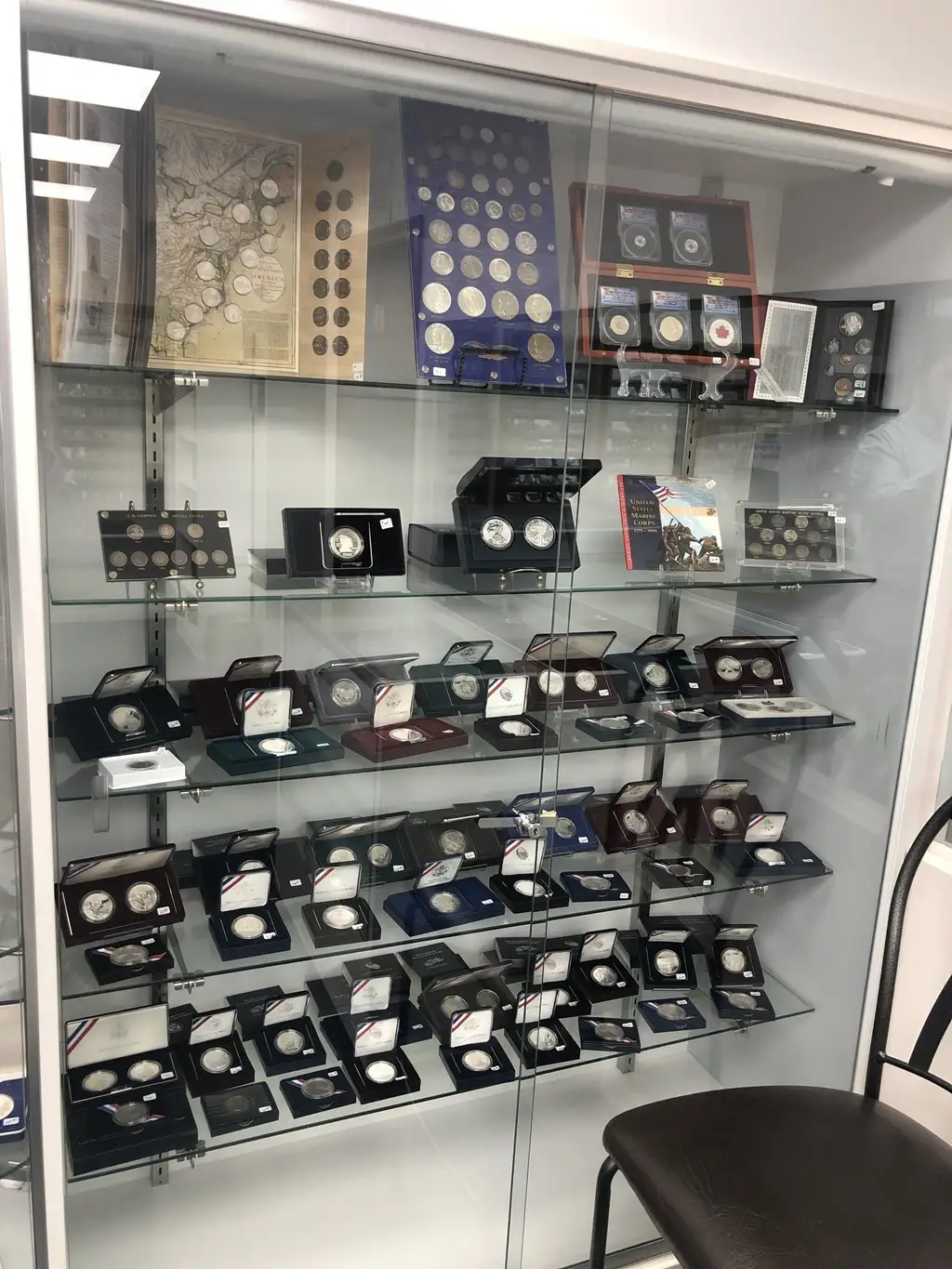
Walk up to a coin case and you'll see two kinds of coins: raw ones in flips or albums, and others sealed inside hard plastic holders with a printed label. Those holders are called slabs, and the coins in them have been certified by a third-party company. PCGS and NGC are the two names you'll run into most. Knowing what a slab tells you, and what it doesn't, helps you buy with more confidence and keeps you from paying extra for a holder you don't need.
What a slab actually is
A grading company examines a coin, decides whether it is authentic, assigns it a grade, and then seals it in a tamper-evident plastic case with a label. The aim is to give buyers and sellers a shared description they can trust without needing to inspect the coin under a loupe themselves. The coin is also protected from handling, which is a real benefit for pieces you plan to keep untouched for years.
Reading the label
Labels vary a little between companies, but most include the same basics. Start with these:
- The coin's date, denomination and mint mark, along with the specific variety when it matters.
- The grade, normally a number on a scale that runs from 1 to 70, with higher numbers meaning less wear.
- A certification number, which you can look up on the grading company's website to confirm the details.
- Sometimes extra notes about the coin's surface or special features.
Checking the number online takes a minute and confirms that the label matches the company's records. It is a good habit whenever you buy a certified coin from a source you don't know well.
What the slab does not tell you
A grade is an expert opinion, and two coins with the same number can still look different. One may have brighter luster, nicer color or a cleaner strike. Collectors call this eye appeal, and it isn't printed on any label. A slab also doesn't set the price. The market sets that, based on how many people want that coin at that grade, and it moves over time.
Certification also can't make a common coin rare. A slab around an ordinary coin is still an ordinary coin in a nicer package. That's worth remembering when a seller leans on the holder to justify a price.
When a raw coin is perfectly fine
Plenty of good collecting happens without any plastic at all. If you're filling an album with everyday circulated coins, the cost of certification would outweigh the coin. If you're buying for the pleasure of holding a piece of history, a well-chosen raw coin from a dealer you trust makes sense. The decision comes down to what you're collecting and why.
Slabs make the most sense for coins where authenticity or fine grade differences matter, and for pieces you intend to resell at a distance, where a shared standard helps strangers agree. For a coin you'll enjoy at home, raw is often just right, so long as you buy from someone willing to explain what they're selling.
There is also a practical side. Buying a slabbed coin lets you compare two examples by their printed grades before you ever see them, which helps if you're building a set over time. Selling one is usually simpler too, because the buyer can read the same label you did. That convenience has a cost, since the grading and the holder are paid for by whoever ends up owning the coin, so it's worth asking whether the certification adds enough for the piece in question.
Taking care of a slab
A holder protects the coin, but not forever. Don't open one to take the coin out, since that ends its certified status. Avoid dropping slabs or stacking them in ways that scratch the plastic. If a holder cracks, or the label seems loose or altered, have it looked at before you buy or sell. Keep slabs upright in a proper storage box and out of damp and direct sun.
Seeing certified coins in person
Kansas Coin Connection carries PCGS and NGC certified coins, and it is a PCGS Authorized Dealer. Inventory is on daily display at the shop at 846 Illinois Street, Suite C in Lawrence, so you can hold a slab in your hand and ask questions. Paying by card carries a 3% surcharge. Hours are Tuesday through Thursday from 10 AM to 5 PM, with Monday, Friday and Saturday by appointment only.
If you own a slabbed coin and wonder what it's about, or a raw coin and wonder whether certification makes sense, call (913) 426-2567 and ask. A free informal appraisal is a good place to start.
Kansas Coin Connection, (913) 426-2567
Call (913) 426-2567More articles
You Inherited a Coin Collection: What to Do First
The best first moves with an inherited collection are mostly about doing less.
Wheat Pennies, Buffalo Nickels and Silver Dollars: Common or Worth a Closer Look
Old pocket change is easy to find and hard to judge, so here is how to start sorting it sensibly.